
Nearly half of U.S. counties lack cancer surgeons, study finds higher death rates
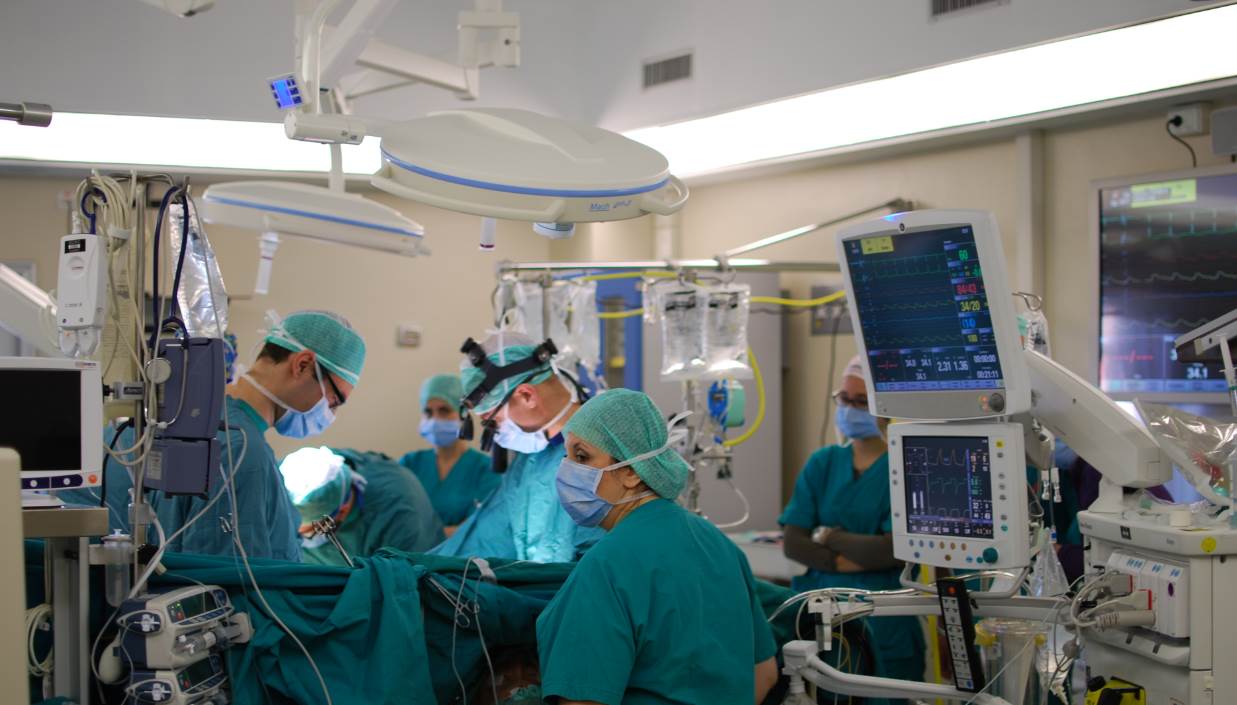
Nearly half of U.S. counties have no surgeon who performs gastrointestinal or hepatopancreatobiliary cancer operations, according to a study published in the Journal of the American College of Surgeons. Hepatopancreatobiliary refers to cancers of the liver, pancreas, gallbladder and bile ducts. These surgical deserts affect 26.6 million residents across 1,430 counties.
Residents in counties without these cancer surgeons have higher death rates from several digestive cancers, even after researchers adjusted for poverty levels and whether the county is rural or urban, according to the study. Colorectal cancer mortality was about 6% higher in surgical desert counties after these adjustments. Adjusted mortality was also higher for pancreatic cancer and cancers of the liver, gallbladder and bile ducts.
The study linked federal data on physicians and surgeons with cancer death statistics and demographic information across all 3,144 U.S. counties. Surgical desert counties were smaller, more deprived and less often metropolitan areas, though 13.5 million affected residents lived in metropolitan counties. These counties were also less likely to have a hospital compared to counties with surgeons available.
The findings build on the American College of Surgeons' 2026 surgical workforce map, which found that 15 million Americans live in a county with no general surgeon.
What it means in Raleigh
Behavioral health: Alliance Health (LME/MCO for Wake, Durham, Johnston, Orange, Cumberland, Mecklenburg)
Medicaid plans: NC Medicaid Standard Plans: AmeriHealth Caritas NC, Carolina Complete Health, Healthy Blue, UnitedHealthcare Community Plan, WellCare of NC. Tailored Plans: Alliance Health, Trillium Health Resources, Vaya Partners (Vaya Health + Partners Health Management, merged 2026).
Major insurers: Blue Cross NC, Aetna, Cigna, UnitedHealthcare, Humana
Plan lists change; confirm with your plan or the state agency.